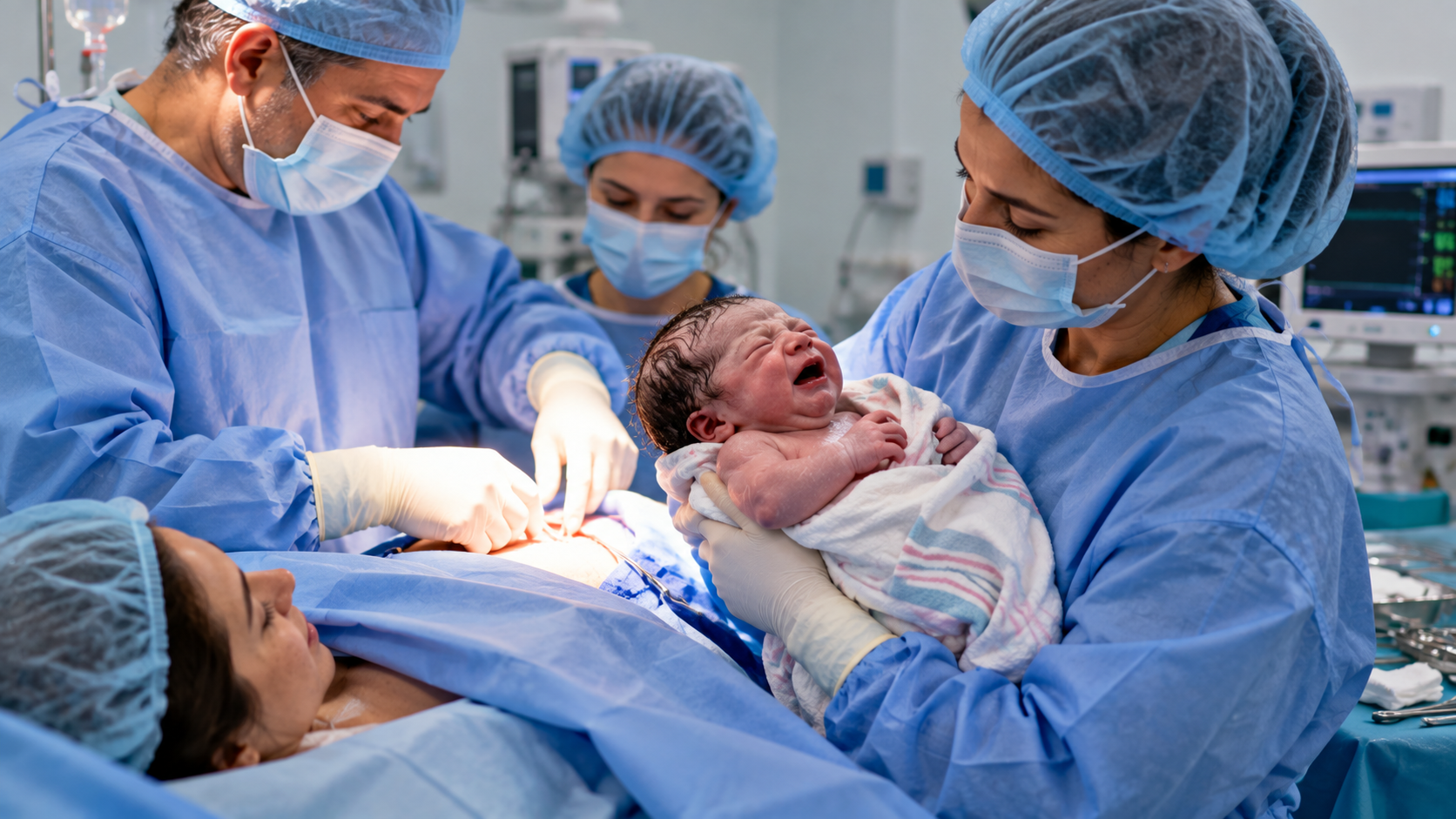
What Is a Cesarean Section?
A cesarean section, often called a C-section, is an operation used to deliver a baby through incisions made in the mother's abdomen and uterus.
It may be planned before labor begins or performed during labor if vaginal delivery is considered unsafe or is not progressing as expected.
A C-section is a common procedure, but it is still major abdominal surgery and requires appropriate preparation, anesthesia and postoperative care.
Why Is a Cesarean Section Performed?
A C-section may be recommended for many different reasons.
These can include:
- The baby being in a breech or other unusual position
- Placenta previa, where the placenta lies low and blocks the birth canal
- Labor not progressing normally
- Signs that the baby may not be receiving enough oxygen
- Severe bleeding during pregnancy or labor
- Certain maternal infections
- Pregnancy-related high blood pressure or preeclampsia
- Certain previous uterine operations
- Multiple pregnancy in selected cases
- Concerns about the size or position of the baby
The decision depends on the mother's health, the baby's condition and the circumstances of the pregnancy.
Planned and Emergency C-Sections
A planned cesarean is scheduled before labor starts.
This may be recommended when doctors know in advance that vaginal birth could carry additional risk.
An emergency cesarean is performed when a problem develops during pregnancy or labor and the baby needs to be delivered more quickly.
Emergency does not always mean that the situation is immediately life-threatening, but the medical team may need to act faster than during a planned procedure.
What Happens Before the Operation?
For a planned C-section, the patient usually has a preoperative assessment before the surgery.
This may include:
- Blood tests
- Review of medical history
- Discussion of anesthesia
- Review of current medications
- Instructions about eating and drinking
- Signing a consent form
On the day of surgery, an intravenous line is placed for fluids and medication.
A urinary catheter is also commonly inserted to keep the bladder empty during the procedure.
What Type of Anesthesia Is Used?
Most C-sections are performed under spinal or epidural anesthesia.
These methods numb the lower half of the body while allowing the mother to remain awake during the delivery.
This means the mother can usually see and hold the baby soon after birth if both are medically stable.
General anesthesia, where the patient is asleep, may be used in some emergencies or when spinal or epidural anesthesia is not appropriate.
What Happens During the Surgery?
A screen is usually placed across the abdomen so the patient does not see the operation.
The surgeon generally makes a horizontal incision across the lower abdomen, usually below the bikini line.
An incision is then made in the uterus and the baby is delivered.
The baby may be shown to the mother soon after delivery if there are no immediate medical concerns.
The placenta is removed, the uterus is closed, and the abdominal incision is then repaired.
The complete operation commonly takes around 40 to 50 minutes, although timing varies according to the situation.
What Happens Immediately After Delivery?
After the operation, the mother is transferred to a recovery area where the medical team monitors:
- Blood pressure
- Heart rate
- Bleeding
- Pain
- Recovery from anesthesia
- The surgical wound
Pain relief is provided, and medication or compression stockings may be used to reduce the risk of blood clots.
If the mother and baby are well, skin-to-skin contact and breastfeeding can often begin soon after delivery.
How Long Is the Hospital Stay?
Many patients remain in hospital for around one or two days after a C-section, although the stay may be longer if complications develop or additional monitoring is required.
Patients are usually encouraged to begin gentle movement as soon as it is safe because mobility helps reduce the risk of blood clots.
The urinary catheter is commonly removed once the patient is able to move around safely.
What Is Recovery Like?
Recovery from a C-section usually takes longer than recovery from vaginal delivery.
Pain and tenderness around the incision are normal during the first days and can sometimes continue for several weeks.
During recovery, patients are commonly advised to:
- Keep the wound clean and dry
- Take prescribed pain medication
- Begin gentle walking
- Avoid heavy lifting
- Avoid strenuous exercise until cleared by the doctor
- Watch the wound for signs of infection
Returning to normal activities happens gradually.
For some activities, including driving and more strenuous exercise, recovery may take around six weeks or longer depending on the individual.
What Are the Main Risks for the Mother?
C-sections are generally safe, but complications can occur.
Possible risks include:
- Infection of the surgical wound
- Infection of the uterus
- Excessive bleeding
- Blood clots
- Reactions to anesthesia
- Injury to nearby organs such as the bladder
- Longer recovery compared with vaginal birth
The level of risk depends on whether the surgery is planned or emergency, the mother's overall health and the circumstances surrounding the delivery.
What Are the Possible Risks for the Baby?
Most babies delivered by C-section do well.
However, possible complications can include:
- Temporary breathing difficulties
- Accidental minor skin injury during surgery
- Need for additional monitoring after birth
Breathing difficulties are more likely when a planned C-section is performed before 39 weeks without a medical reason for earlier delivery.
What Warning Signs Should Be Reported After Surgery?
Patients should seek medical advice if they develop symptoms such as:
- Severe or worsening pain
- Heavy vaginal bleeding
- Fever
- Increasing redness, swelling or pain around the wound
- Pus or foul-smelling discharge from the incision
- Pain or swelling in one leg
- Shortness of breath
- Difficulty or pain when urinating
These symptoms may indicate infection, bleeding or a blood clot and should be assessed promptly.
Can You Have a Vaginal Birth After a C-Section?
Having one C-section does not automatically mean all future deliveries must also be cesarean.
Some women may be suitable for vaginal birth after cesarean, commonly called VBAC.
Whether this is appropriate depends on factors such as:
- The reason for the previous C-section
- Type of uterine incision
- Number of previous cesareans
- Current pregnancy
- Mother's overall health
- Hospital resources
The safest delivery method should be discussed with the obstetric team during pregnancy.
Does a C-Section Affect Future Pregnancies?
Most women go on to have healthy future pregnancies.
However, having a previous C-section can slightly increase the risk of certain complications in later pregnancies, including problems with the placenta or opening of the uterine scar in rare cases.
This is one reason why doctors consider the benefits and risks carefully when recommending a cesarean.
Recovering Physically and Emotionally
A C-section is both childbirth and major surgery.
Some patients recover quickly, while others need more time for pain, fatigue and mobility to improve.
Emotional recovery is also important, particularly when the cesarean was unexpected or performed urgently.
Patients should feel comfortable discussing pain, breastfeeding difficulties, emotional concerns or recovery problems with their maternity team.
The goal after a C-section is not only safe wound healing but also healthy recovery for both mother and baby.
Reviewed by our medical coordination team
TipWay
Ready to take the next step?
Request a consultation with a specialist, check whether your insurance is accepted, or start a free medical second opinion — no commitment.